History is filled with remarkable people and remarkable leaders, many of whom have greatly influenced the history of their country. Among these figures, some have earned titles such as “The Great”, and some have earned some pretty entertaining epithets. The purpose of this small blog is to explore some of the more interesting titles bestowed onto historical leaders of yesteryear. Each is accompanied with a brief biography.
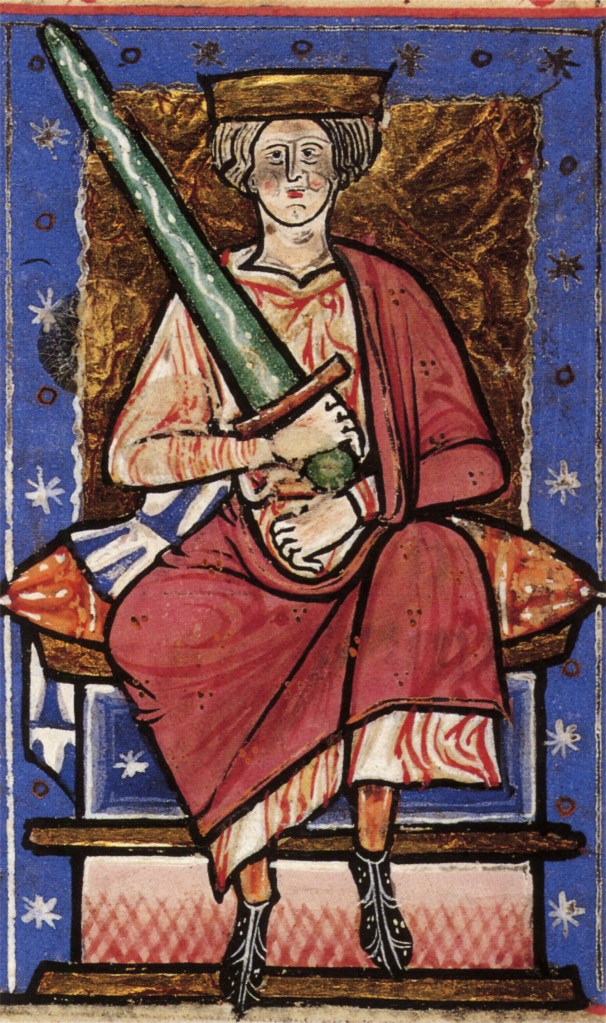
Æthelred the Unready (968-1016)
Æthelred II is more commonly known as the Unready and was king of England between 978 and 1013 and then again between 1014 and his death two years later. The epithet “Unready”! comes from the Old English “unræd” meaning poorly advised, rather than unprepared. Æthelred’s reign was characterised by numerous Viking attacks to the north of his realm and even despite a large number of payments (known as Danegeld) the Vikings kept returning. His kingdom was unstable and he was a ruler plagued by poor decisions and misfortune.
Ivaylo the Cabbage (1257-1281)
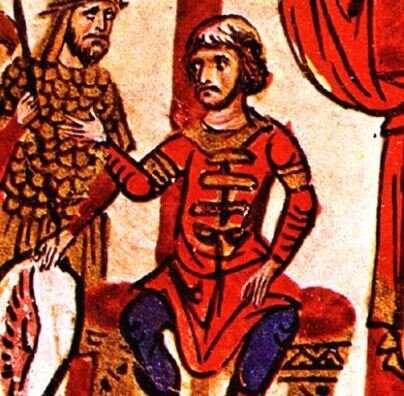
Ivaylo was a Bulgarian peasant who rose to power and later became the Tsar of Bulgasria betweeen 1277 and 1279. His nickname of “the Cabbage” originated because of his humble beginners as a pig and cabbage farmer. Ivaylo led a popular uprising against the ruling nobility and Mongol invaders and managed to seize the throne and rule for a short period of time. Ivaylo proves the power of the peasant in the Middle Ages and this period remains one of fascination in Bulgarian history.
William the Bad (c.1131-1166)
William I of Sicily was also known as William the Bad and ruled from 1154 to 1166. The title of “the Bad” was given to William by critiques of his reign, as is often the case. During his reign, William faced a number of internal power struggles in the form of revolt and external threats, particularly from the Byzantine Empire. His rule was marred by mismanagement perceived cruelty. However, recently historians have attempted to reinvigorate him memory as a stabilising Norman monarch of the region.
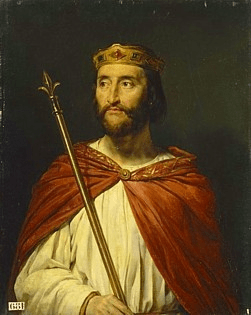
Charles the Simple (879-929)
Charles III of France, known as “the Simple” ruled from 898 to 922. His title, despite what you might think, does not refer to his intelligence. Rather, it comes from his simple and straightforward approach to tasks, completing them in an uncomplicated manner. Charles is best remembered for his treaty with Viking leader Rollo, which gave the Vikings French land in exchange for their devotion to Christianity. This agreement helped to stabilise the region and eradicate the Viking threat of invasion.
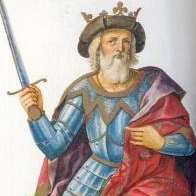
Alfonso the Slobberer (1181-1223)
Alfonso IX of Leon ruled from 1188 to 1230. His entertaining epithet allegedly came from his speech impediment which would mean that he would frequently drool whenever he spoke. Despite this minor setback, Alfonso was an accomplished leader and played a significant part in the Reconquista, the Christian effort to take back the Iberian Peninsula from Muslim rule. He was known for his legal and administrative reforms and even founding the University of Salamanca.
Eystein the Fart (d. 1177)
Eystein II of Norway was also known as Eystein the Fart or Eystein the Foul-fart and ruled his kingdom from 1142 to 1157. His nickname is believed to have come from Old Norse sagas, which are known for including humorous and colourful descriptions of their characters. Eystein ruled Norway with his brothers, Inge and Sigurd, during a period of civil war in the region. Eystein was a formidable leader in changing the political landscape of medieval Norway,
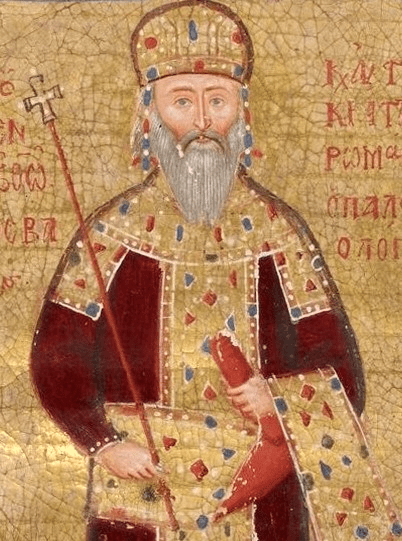
Manuel the Sausage Maker
Manuel II of Constantinople was known as the Sausage Maker and ruled from 1391 to 1425. Little is know as to why Manuel received this title but it is believed to be linked to a scandalous affair that he had during his ascension to the throne. Manuel was, by all accounts, a skillful leader who was able to navigate and steer Byzantine Empire through a very difficult period, dealing with the Ottoman threat. He attempted to preserve the remains of the Byzantine Empire through Western support against the Ottoman Turks.
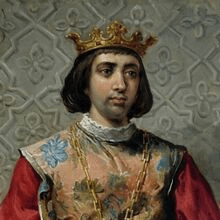
Henry the Impotent (1425-1474)
Henry of Castile was known as Henry the Impotent and ruled from 1454 to 1474. As you can imagine, his epithet refers to problems he experienced in his personal life, particularly his inability to father children. This was a significant problem as he desperately wanted an heir. There is some debate among historians whether these problems were genuine or whether he was secretly a homosexual. Henry laid the foundation for the Catholic Monarchs Ferdinand and Isabella, who eventually united Spain.
Haakon the Crazy (1170-1214)
Haakon II of Norway, known as “the Crazy” ruled between 1204 and 1207. His reign was erratic and tumultuous, hence the title. He came to power during a civil war in Norway and he was known to be unpredictable and sometimes even violent. Haakon led Norway through a critical period in its history, marked by struggles for power and territorial disputes.
Vlad the Impaler (1431-1476/77)
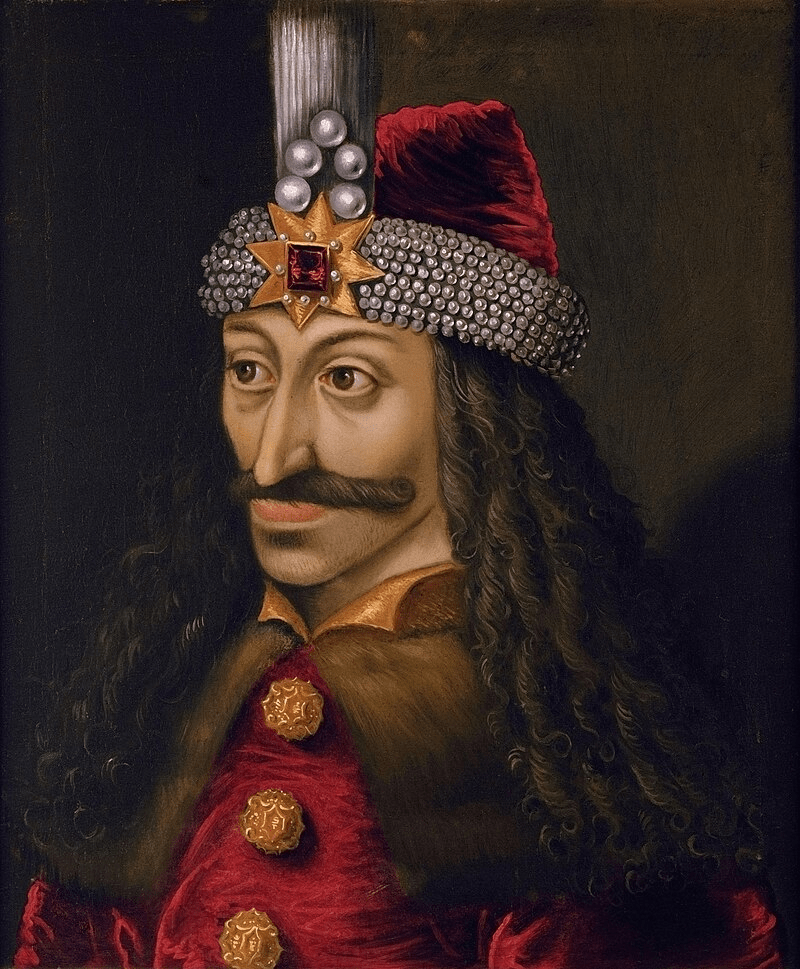
I absolutely had to include Vlad the Impaler. Vlad III of Wallachia got his nickname after his preferred method of execution his enemies: impaling them. This struck absolute terror into the hearts of his foes. Vlad is, by all accounts, remembered as a national hero in Romania for his defense of the region against the Ottoman Empire. His violence served as inspiration for the character Dracula in Bram Stoker’s famous novel.
 Matthew Martin
Leave a comment